Can Education Survive Attack? The Resilience of Human Communities
Education is more than a classroom, a textbook, or a school building. For children living through conflict and crisis, education can represent safety, stability, hope and a pathway towards a better future. Yet for millions of children around the world, even reaching a classroom can place them at risk.
Every year on 9 September, the world observes the International Day to Protect Education from Attack, a day dedicated to raising awareness of the devastating impact of attacks on students, teachers, schools and universities, and to reaffirming the right of every child to learn in safety and dignity.
Education under attack: a growing global crisis
This year’s theme, “Can Education Survive Attack? The Resilience of Human Communities,” comes at a time when attacks on education are increasing at an alarming rate.
According to the latest Education under Attack 2026 report published by the Global Coalition to Protect Education from Attack (GCPEA), at least 8,566 attacks on education across 28 countries were recorded in 2024 and 2025, representing an increase of more than 40 percent compared with 2022 and 2023. These attacks affected at least 10,600 students, teachers, professors and other education personnel, who were killed, injured, abducted, arrestedor otherwise harmed.
Behind every statistic is a person, a child whose education has been interrupted, a teacher who can no longer safely reach the classroom, a family forced to choose between education and safety, or a community whose hopes for the future are placed on hold.
When a school is attacked, the damage goes far beyond the classroom
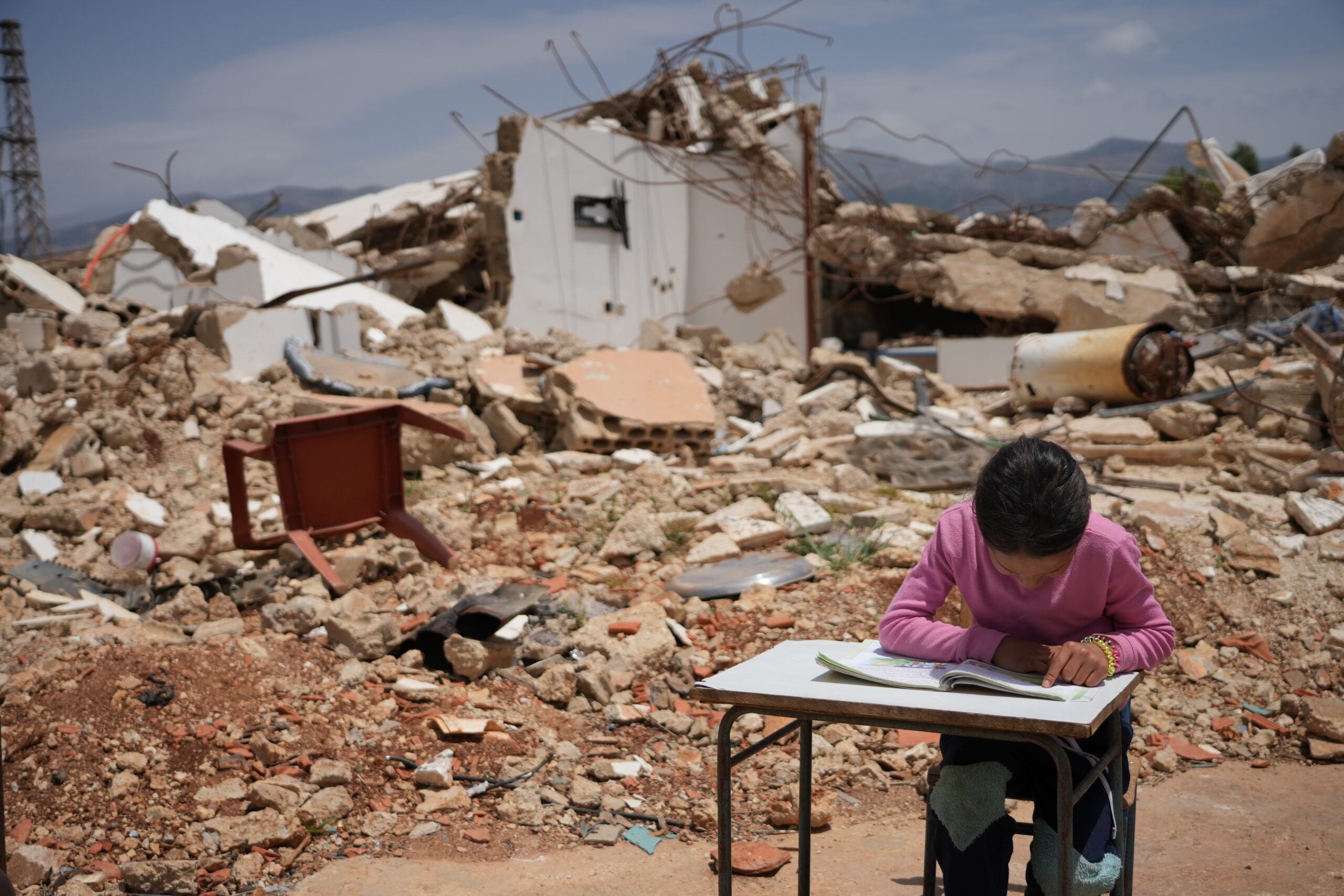
An attack on a school does not only destroy walls, desks or books. It can destroy a child’s sense of safety and disrupt an entire community. When education is interrupted, children can lose access to learning, protection, social connection and a sense of normality.
When schools close because of conflict or insecurity, children may lose months or years of learning. Prolonged disruption can increase their exposure to child labour, recruitment by armed groups, child marriage, exploitation, abuseand other protection risks. Teachers and education personnel may also experience fear, displacement, injury and psychological distress.
Girls can face additional barriers. Fear of violence, harassment or sexual violence on the journey to and from school can prevent girls from attending. GCPEA has documented gender-based attacks on education, including abductions of girls travelling to school and attacks specifically targeting girls’ education.
Education is a right even during war
International law and international commitments recognise that children do not lose their right to education because they live in a conflict-affected area.
Under international humanitarian law, schools and other educational facilities are generally protected as civilian objects, while students and education personnel are protected as civilians. The challenge is ensuring that these protections are respected in practice and that violations are properly documented and addressed.
Resilience is not the same as accepting attacks
The word “resilience” is central to this year’s theme, but resilience should never be interpreted as expecting children, teachers and communities to simply endure violence.
Communities demonstrate remarkable resilience when they establish temporary learning spaces after schools are destroyed, when teachers continue teaching despite displacement, when parents find ways to keep their children learning, and when education systems adapt to emergencies.
But resilience must be supported. Children and teachers should not have to carry the burden of conflict alone. Governments, humanitarian organisations, donors, communities and international actors must work together to reduce risks, protect education facilities, support affected learners and educators, and ensure accountability for attacks.
Protecting education is also safeguarding children
For organisations working with children and communities in humanitarian and development settings, protecting education is inseparable from safeguarding and child protection.
A safe school should be a place where children are protected from violence, exploitation, abuse, harassment and discrimination. Children should know where they can seek help, teachers should understand their safeguarding responsibilities, and organisations should have functioning reporting and referral mechanisms.
A classroom is a promise for the future
A school represents more than a building. It represents possibility. It is where children learn to read and write, develop relationships, discover their abilities and imagine a future beyond the circumstances into which they were born. For children affected by conflict, education can provide a sense of normality when almost everything else has been disrupted.
Protecting education therefore means protecting much more than learning. It means protecting childhood, dignity, opportunity and hope.
On 9 September 2026, the message must be clear: Education must not become another casualty of conflict.
The international community must move from condemning attacks to preventing them, from responding after schools are destroyed to investing in preparedness, and from asking children to be resilient to creating environments in which they can safely learn, grow and thrive.
Because the real question is not whether children living through conflict deserve education.
They do.
The question is whether the world will do enough to ensure that they can receive it safely.
And the answer must be yes.
READ Foundation’s Commitment to Protecting Education
READ Foundation is committed to ensuring that children affected by conflict and displacement are not deprived of their right to education. Through its programmes in Lebanon, Yemen and Gaza, and its previous support to Syrian refugee children, READ Foundation has helped children continue their education despite the challenges created by war, displacement and crisis.
We are also committed to enhancing educational crisis responses across the sector, with the release of the Education in Emergencies report, capturing key insights and recommendations on how we can strengthen our response to emergencies.
These efforts reflect a commitment to keeping education accessible, safe and inclusive for children living in some of the world’s most challenging environments. On the International Day to Protect Education from Attack, READ reaffirms that every child has the right to learn in safety and dignity and that conflict should never determine a child’s opportunity to learn, grow and build a better future.