Education in Emergencies

Education in Emergencies

Education in Emergencies

Every child has the right to learn, even in times of conflict, disaster, and displacement. Despite its life-saving impact, education remains one of the most underfunded areas in humanitarian response, receiving less than 3% of global aid.

This Ramadan, as we reflect on our blessings and good fortune, millions of children are still dreaming of attending school and pursuing their futures. 

In Gaza, the blockade has restricted the flow of humanitarian aid, and the ongoing military operation has denied Palestinian children their right to education in the most extreme way, breaking their hopes and opportunities for the future.

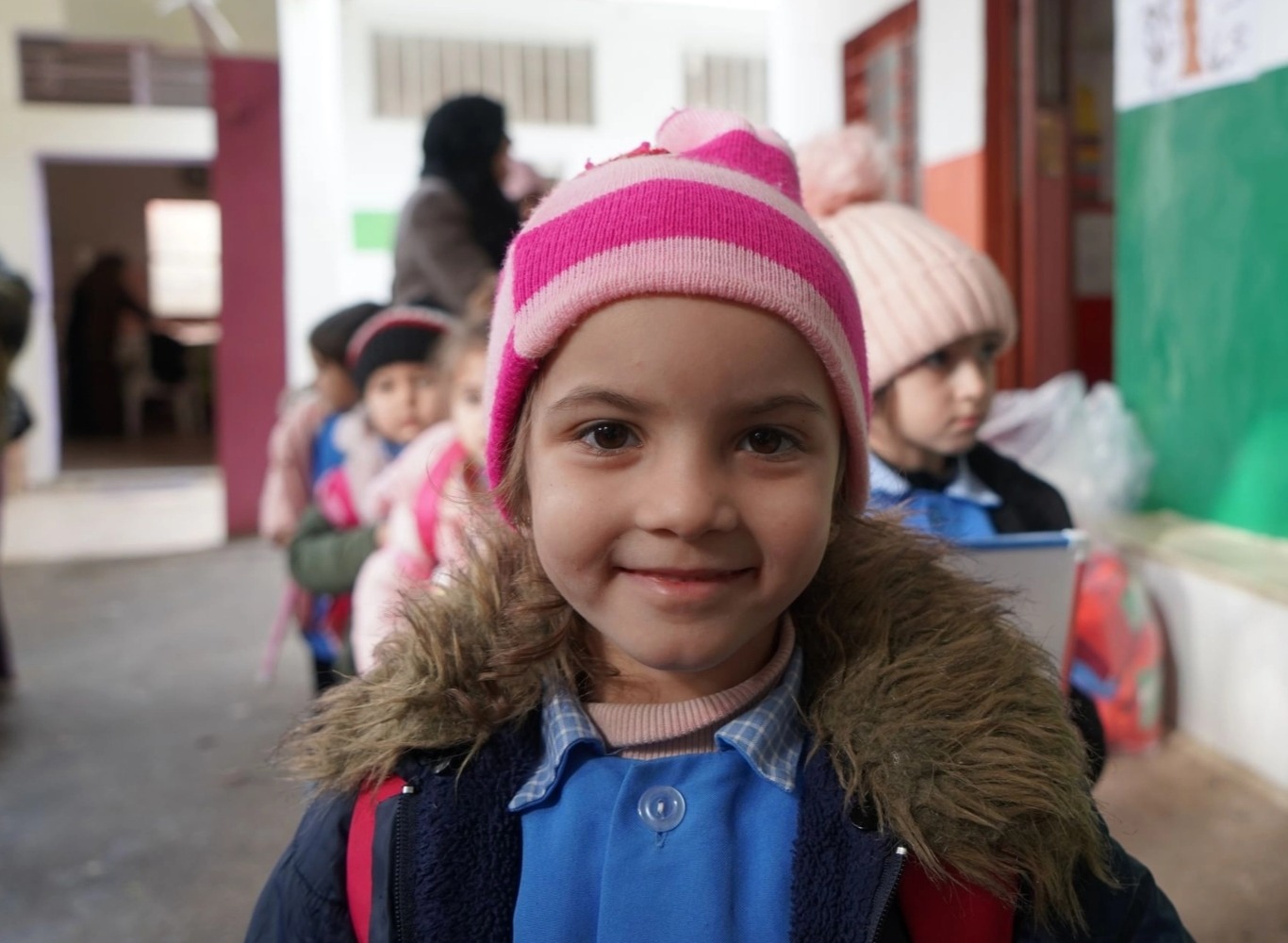
In Lebanon, the recent conflict has displaced millions while disrupting the education of 500,000 children. Many refugee children have never set foot in a classroom. Even before the current crisis, 57% of Syrian refugee children were out of school.

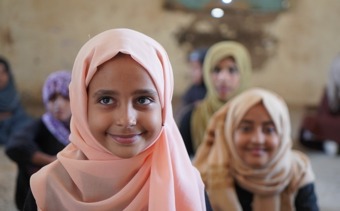
In Yemen, the humanitarian crisis is among the worst in the world. Schools are overcrowded, and children walk into class hungry, unable to learn.

In crisis zones, a classroom is never just a classroom. It is a place of safety, nourishment, and healing, a space where learning can begin again with dignity.

We ensure children in crises have education and emotional support to recover from trauma.

Whether fleeing violence, living in a refugee camp, or recovering from disaster, children need more than shelter and food; they need safety, structure, and hope. Schools protect children from exploitation and offer stability, a new beginning when everything else feels uncertain.

In Gaza, we have created Temporary Learning Spaces for displaced children, places where education can resume and healing can begin.

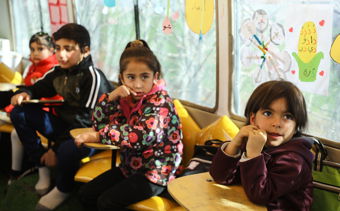
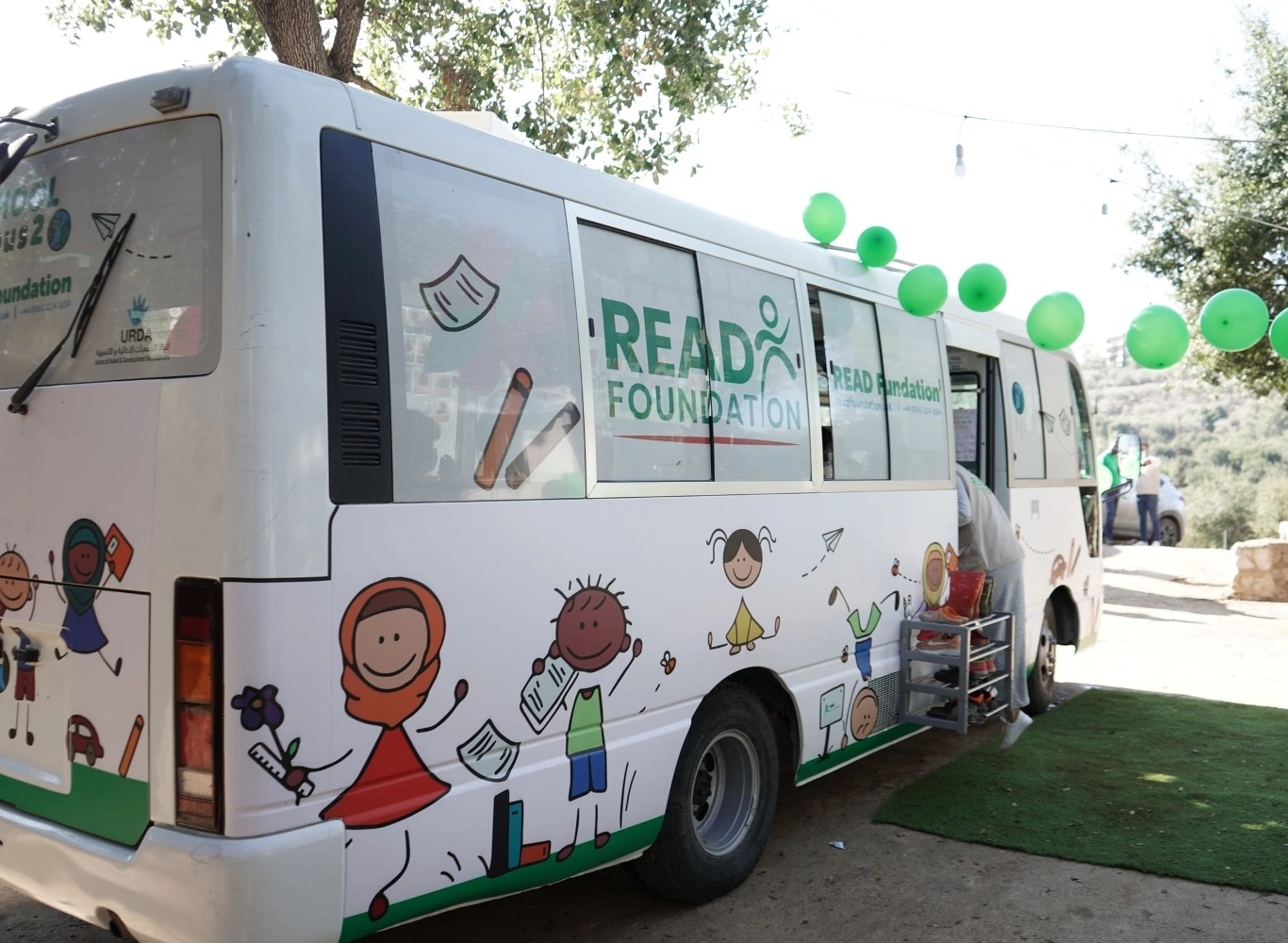
In Lebanon, our mobile School in a Bus brings education directly into refugee camps, reaching children most likely to be left behind. These buses also provide psychosocial support and distribute hygiene kits and food.

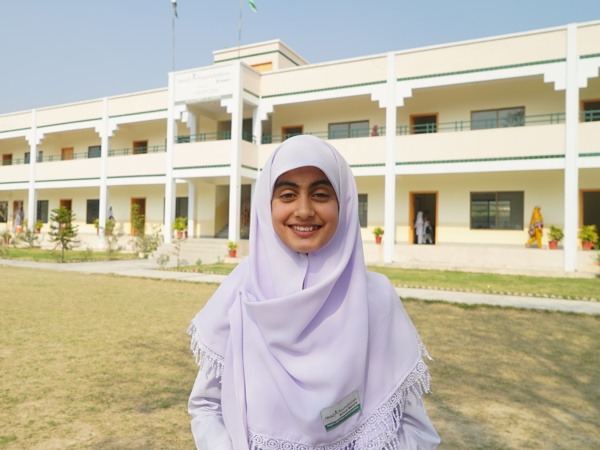
In Yemen, we are rebuilding schools, installing WASH facilities, and running Breakfast Clubs so children begin each school day nourished and ready to learn. Since its launch, school attendance has risen by 30%, and test scores have improved by 22%.

How You Can Help

Your support can help provide emergency education and care to children and families living through crisis, giving them a sacred start at the most critical time.

Where Most Needed

Any Amount Donate to our most needed fund. Every donation, big or small, can change a child's life amidst crisis.


Donate Now

NFI Kits (Lebanon & Gaza)

£150 Can provide essential non-food items, including hygiene supplies, sanitary items, and other necessities.

Donate Now

Safe Learning Spaces

£400 (Lebanon, Gaza, Yemen)
Can help create safe learning spaces and provide supplies so education can continue, even during emergencies.

Donate Now

Psychosocial Support

£800Can fund a week of targeted psychosocial activities for children and young women, providing critical mental health support.

Donate Now

Without education, children in crisis have little hope. Your Zakat reaffirms their chance of a better future.

During emergencies, education is often the first thing children lose. The disruption affects entire communities, delaying recovery and peace when generations grow up without access to learning. Education protects children’s rights and provides structure in chaotic circumstances.

At READ Foundation, we believe education is both a lifeline and a long-term investment. Our Education in Emergencies work does more than respond to immediate need; it nurtures a generation with the knowledge, faith, and resilience to rebuild their communities and futures.

A closer look

Nearly 85 million children in crisis zones are out of school globally—

37% of all crisis-affected children

—with refugees, girls, and those with disabilities disproportionately impacted.

Special needs education charity
1.2M
Displaced families and children left vulnerable
86%
Of shelters at full capacity
500,000
Children living in dire conditions

Education is the single most
powerful tool to protect children
in crisis—it sustains hope, shields
them from harm, and rebuilds futures.

1.2M
Displaced families and children left vulnerable
86%

Of shelters at full capacity

500,000
Children living in dire conditions

Quick Donate

Our Blogs

Donation Basket